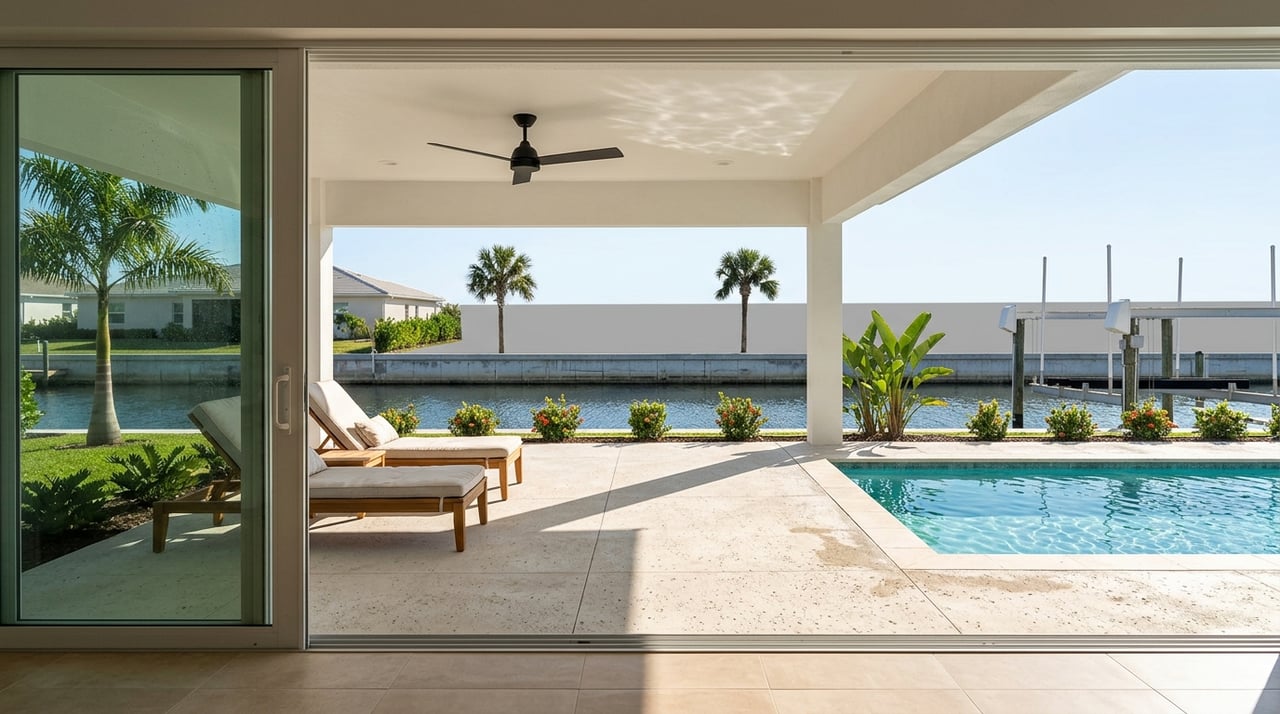
If you are selling a waterfront home in Cape Coral, you are not just selling bedrooms, bathrooms, and square footage. You are also selling canal access, boating usability, flood-related details, and the condition of features like the dock, lift, and seawall. In a market where buyers have options, those details can shape pricing, negotiation, and how long your home sits on the market. Let’s dive in.
Why Cape Coral waterfront sales stand apart
Cape Coral waterfront homes play by a different set of rules than many inland properties. The city says Cape Coral has more than 400 miles of canals, and many offer direct access to the Caloosahatchee River and the Gulf. That makes the water itself part of the value buyers are evaluating.
The city also treats its canals as important public assets that support waterfront living, flood protection, property values, irrigation, and wildlife. Canal dredging is intended to help preserve water depth, navigability, flood control, and safe boating access. For you as a seller, that means buyers are often looking beyond the house and paying close attention to how the waterfront actually functions.
What today’s market means for sellers
Current market data points to a buyer-favored environment in Cape Coral. Realtor.com describes Cape Coral as a buyer’s market, with homes selling about 3.2% below asking on average and a median 75 days on market. Redfin’s Cape Coral waterfront data shows about 2,522 waterfront homes for sale, a median listing price near $415,000, and a median 89 days on market.
Because these figures come from different sources, it is best to treat them as directional rather than identical. Still, they tell a clear story. Buyers have choices, and waterfront sellers should expect more scrutiny, more questions, and in many cases a longer timeline than in a faster market.
Pricing a waterfront home correctly
Pricing a Cape Coral waterfront home takes more than comparing recent sales by size and finish level. Buyers often care just as much about canal type, boating access, dock setup, lift usefulness, seawall condition, flood zone, and whether key documents are available. A beautiful home can still lose momentum if buyers feel uncertain about the waterfront features.
That is why overpricing can be especially risky right now. In a buyer-leaning market, a home that starts too high may sit longer and require price reductions later. A better strategy is to price the property as a complete waterfront product, not just as a house on a canal lot.
Flood details can affect value
Flood status is one of the first issues many buyers and lenders will review. Cape Coral’s flood-zone information says federally backed mortgages require flood insurance for structures in A, AE, or VE zones. The city also notes that National Flood Insurance Program coverage has a 30-day waiting period.
The same city flood-protection information says Cape Coral properties receive Community Rating System flood insurance discounts. Those discounts include 25% in A, AE, and V zones and 10% in X zones. While buyers will still want property-specific insurance quotes, this is useful context to understand before your home hits the market.
The city also provides flood-zone and elevation tools, and it notes that buildings built before 1993 may not have an elevation certificate on file. If you can provide current flood documentation, an elevation certificate if available, and any prior mitigation records, you can make the process smoother for buyers and their lenders.
Prepare your paperwork before listing
One of the biggest differences with a Cape Coral waterfront sale is the amount of documentation buyers may request. If your home has a dock, lift, seawall, or other marine improvements, buyers will often want to know whether those features were properly permitted and whether records are available.
Cape Coral’s residential wood dock guidance says a separate electric permit is required before the boatlift, wood dock, or pilings inspection. It also says the owner must submit a final signed and sealed survey before final inspection. The same guidance notes that state and federal approvals may be required before construction begins.
The city’s residential seawall guideline says a concrete dock can be included in a seawall permit, and it requires a final seawall engineer letter during inspection. The city’s dwelling construction guide also says a seawall is required before Certificate of Occupancy for property on saltwater canals, while an alternative seawall may be used on freshwater canals. Even if your home is not new construction, these rules help explain why seawall condition matters so much to buyers.
Documents worth gathering early
Before listing, it helps to collect:
- A recent survey
- Permit records for dock, lift, seawall, or related work
- Invoices or receipts for repairs and upgrades
- Any available engineering reports
- Flood-zone information
- An elevation certificate, if available
- Records of flood mitigation or insurance-related improvements
Having these items ready can reduce delays once your home is under contract. It also gives buyers more confidence when they are comparing your home to other waterfront listings.
Show the waterfront features clearly
When your home goes on the market, buyers need to understand how the waterfront works, not just how it looks in photos. In Cape Coral, boating is a major part of the appeal, and many canals offer direct access to the river and Gulf. That makes clear marketing especially important.
Your listing should help buyers quickly understand whether the property is on a freshwater or saltwater canal, whether access is direct or more limited, and how the dock and lift function. Good presentation should also show the shoreline, dock layout, lift setup, and the water approach as clearly as possible.
What buyers want to know fast
Many waterfront buyers are trying to answer practical questions right away, including:
- Is the canal freshwater or saltwater?
- Is there direct river or Gulf access?
- Are there bridges or control structures to consider?
- What size boat can the dock or lift handle?
- Are the dock, lift, and seawall permitted?
- What flood zone is the home in?
- What might flood insurance require?
If your listing answers those questions early, you can attract more serious buyers and avoid wasting time with buyers for whom the property is not the right fit.
Expect a more detailed showing process
Waterfront showings often involve a different conversation than standard home tours. Buyers may spend as much time looking at the dock, seawall, canal width, and boat access as they do looking at the kitchen or primary suite. They may also ask highly specific questions about permits, maintenance, and whether the property works for their boating needs.
This is where preparation matters. If you can explain what improvements have been made, what records are available, and how the waterfront features have been maintained, you make it easier for buyers to feel comfortable moving forward.
For a seller, it also helps to understand that waterfront buyers are not being difficult when they ask these questions. They are evaluating usability, future upkeep, financing, and insurance all at once.
Negotiations may focus on waterfront condition
Once offers start coming in, negotiations may center on more than price alone. Buyers may raise concerns about dock condition, lift operation, seawall wear, missing permits, or flood documentation. In some cases, these issues can affect financing or insurance, which can ripple into the contract terms.
This is one reason strong pre-list preparation matters so much. The more clarity you can provide upfront, the fewer surprises tend to come up later. Clear records, realistic pricing, and solid presentation often put you in a stronger position during inspections and repair discussions.
Plan for a longer runway to closing
If you are selling a waterfront home in Cape Coral, patience is part of the process. Redfin’s Cape Coral waterfront data shows a median 89 days on market, which suggests many sellers should plan for a timeline of roughly three months or more just to reach contract.
After that, closing may include the usual title and lender steps plus extra review of permits, surveys, insurance, and any requested repairs. Compared with a non-waterfront property, there is simply more for buyers to verify. Going in with the right expectations can help you stay calm and make better decisions throughout the sale.
How to make the process smoother
A successful waterfront sale usually comes down to three things: realistic pricing, strong documentation, and clear communication. Buyers want to know what they are getting, how the property functions, and whether the waterfront features support the lifestyle they have in mind.
That is why a practical, detail-oriented approach matters in Cape Coral. When your home is positioned clearly and backed by the right records, you give buyers fewer reasons to hesitate.
Selling a waterfront property also benefits from local boating awareness. In a market where access, canal type, lift setup, and usability can affect value, it helps to work with someone who understands not just real estate, but how waterfront living works day to day. If you are thinking about selling, connect with Mark Breimeister for practical guidance tailored to your Cape Coral waterfront home.
FAQs
What makes selling a waterfront home in Cape Coral different?
- You are selling both the home and the waterfront features, including canal access, dock and lift usability, seawall condition, and flood-related details.
How long does it take to sell a waterfront home in Cape Coral?
- Current market data suggests waterfront homes may take around three months or more to go from listing to contract, with Redfin reporting a median 89 days on market.
What documents should sellers gather for a Cape Coral waterfront home?
- Helpful records include a recent survey, permits for dock, lift, and seawall work, repair invoices, engineering reports, flood-zone information, and an elevation certificate if available.
Why do Cape Coral buyers ask so many questions about docks and seawalls?
- Buyers focus on these features because they affect boating use, maintenance, insurance, financing, and the overall value of the waterfront property.
Does flood zone matter when selling a Cape Coral waterfront home?
- Yes. Flood zone can affect insurance requirements, financing, and buyer costs, so having clear flood documentation can make the sale process easier.
Should a Cape Coral waterfront home be priced differently than a non-waterfront home?
- Yes. Pricing should reflect waterfront-specific factors like canal type, access, dock and lift setup, seawall condition, and flood-related details, not just the home’s size and finishes.